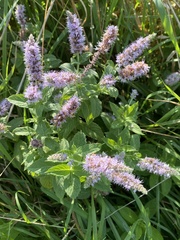
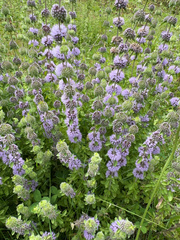
Peppermint (Mentha × piperita) is a fragrant hybrid mint known for its refreshing aroma and cooling flavor, widely used in culinary and medicinal applications.
Mentha × piperita, commonly known as peppermint, is a hybrid mint species recognized for its distinctive aroma and flavor. This herbaceous perennial is a natural hybrid, typically arising from a cross between Mentha aquatica (water mint) and Mentha spicata (spearmint). Its significance spans culinary, medicinal, and horticultural applications, making it a widely cultivated and appreciated plant.
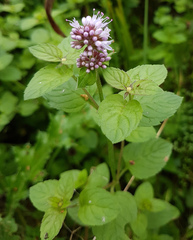
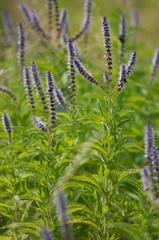
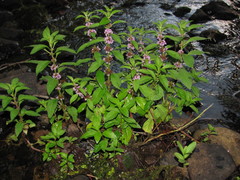
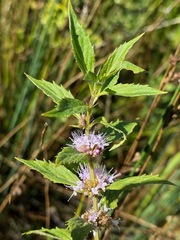
Physically, Mentha × piperita is characterized by its vigorous, spreading growth habit, primarily through underground rhizomes and above-ground stolons, which allows it to form dense colonies. It typically reaches a height of 30 to 90 centimeters (1 to 3 feet). The stems are square in cross-section, a common characteristic of the Lamiaceae family, and are often purplish or green. The leaves are opposite, ovate to lanceolate, with serrated margins and a pointed apex. They are typically dark green and possess a characteristic menthol scent when crushed. The plant produces small, tubular flowers arranged in dense spikes or whorls at the apex of the stems. These flowers are usually purplish or pinkish and bloom during the summer months. The fruit is a small nutlet, though seed production is often limited in cultivated varieties due to its hybrid nature.
The native distribution of Mentha × piperita is not precisely defined due to its hybrid origin and widespread cultivation. However, it is believed to have originated in Europe and the Middle East. It thrives in moist, well-drained soils and prefers full sun to partial shade. In cultivation, it is adaptable to a wide range of climates but benefits from consistent moisture. Its vigorous spreading nature means it is often best planted in containers or areas where its spread can be managed to prevent it from becoming invasive.
Mentha × piperita holds considerable importance in various fields. Agriculturally, it is cultivated for its essential oil, which is rich in menthol and used extensively in the food, beverage, pharmaceutical, and cosmetic industries. In culinary applications, its leaves are used fresh or dried to flavor teas, desserts, candies, and savory dishes. Medicinally, peppermint oil and extracts have been traditionally used and are scientifically studied for their potential to alleviate symptoms of irritable bowel syndrome, indigestion, and headaches, primarily due to the carminative and antispasmodic properties attributed to menthol. Its ornamental value is secondary to its other uses, though its fragrant foliage and attractive flowers can contribute to herb gardens.
An interesting characteristic of Mentha × piperita is its potent aroma, largely due to its high concentration of menthol. This compound provides the characteristic cooling sensation and sharp flavor associated with peppermint. The plant's ability to spread rapidly via vegetative means is a key adaptation for colonizing moist habitats. Its hybrid nature also contributes to its variability, with different cultivars exhibiting slight variations in growth habit, leaf characteristics, and oil composition.
At-a-glance light, water, soil, and growing conditions from plant data
Light
Full Sun to Partial Shade
75% intensity
Prefers 6-8 hours of sunlight daily, but tolerates some shade.
Watering
Consistent Moisture
75% intensity
Keep soil evenly moist, but avoid waterlogging.
Soil
Well-drained, fertile soil
50% intensity
Temperature
Moderate
50% intensity
Thrives in temperatures between 15-25°C. Can tolerate cooler conditions.
Habitat
Outdoor
50% intensity
Fertilizer
Low
25% intensity
Light feeding in spring is usually sufficient. Avoid over-fertilizing.
Peppermint Toxicity
Safety information from plant toxicity data
Toxicity details for Peppermint
Attribute
Value
Toxic for humans
No
0/5 intensity
Toxic for pets
Yes
2/5 intensity
Edible
Yes
Leaves and flowers may cause gastrointestinal upset in pets if ingested in large quantities. Essential oils can be more potent and irritating.
Peppermint Quick Facts
Key traits and growing stats from plant data
Plant Type
Herb
Plant Category
Medicinal
Plant Place Type
Garden, Pot
Plant Environment
Outdoor
Lifespan
Perennial
Plant Height
0.3-0.9 m
Spread
0.3-0.9 m
Growth Rate
Fast
Dormancy
Yes
Leaf Color
Green
Leaf Type
Singly pinnate
Flower Size
Small
Optimal Sunlight Lux
60000
Care guide for Peppermint
Watering, pruning, propagation, and repotting details from plant data
Water
Peppermint thrives in consistently moist soil. Water regularly, especially during dry spells, to prevent wilting. Aim to keep the soil damp but not waterlogged. Reduce watering in cooler months when growth slows down.
Overwatering can lead to root rot.
Pruning
Regular pruning encourages bushier growth and prevents the plant from becoming leggy. Pinch back the tips of stems to promote branching.
In late summer or fall, you can cut back plants significantly to maintain shape and prepare them for winter.
Propagation
Peppermint is easily propagated from stem cuttings or by division of existing root systems. Take cuttings from healthy stems in spring or summer and plant them in moist soil or water.
Division can be done in spring when new growth emerges.
Repotting
Peppermint can become invasive and outgrow its pot quickly. Repot annually or every two years in spring into a slightly larger container.
This also provides an opportunity to refresh the soil and check for any root issues.
Identify plants like this with ePlant
Snap a photo to get care tips and match similar species on the go.
How do I prevent peppermint from spreading too aggressively in my garden?
To contain peppermint's spread, plant it in containers, raised beds, or use root barriers around the planting area. This will help keep its vigorous runners in check.
What are the best conditions for growing peppermint?
Peppermint thrives in full sun to partial shade and prefers moist, well-drained soil. Consistent watering is important, especially during dry periods.
When is the best time to harvest peppermint?
Peppermint is typically harvested just before flowering, when its essential oil content is highest. Leaves can be picked throughout the growing season as needed.
Can peppermint be grown indoors?
Yes, peppermint can be grown indoors in pots. It requires a sunny windowsill and consistent moisture. Ensure good air circulation to prevent fungal issues.
What are common uses for peppermint leaves?
Peppermint leaves are commonly used to make tea, add flavor to desserts and beverages, and in savory dishes. They can also be dried for later use or for potpourri.