Skip to plant details

Pelargonium HybridumPelargonium × hybridum

Also known as Garden Geranium · Garden Pelargonium · Hybrid Geranium

  • Category: Ornamental
  • Type: Shrub
  • Sunlight: Full sun to partial shade
  • Water: Allow soil to dry between waterings
  • Temperature: Warm temperatures
  • Habitat: Outdoor, Indoor

Safety note: This plant may be toxic to humans and pets. See toxicity details.

Pelargonium Hybridum encompasses a vast array of popular hybrid geraniums, cherished for their vibrant blooms and diverse foliage, gracing gardens and containers worldwid

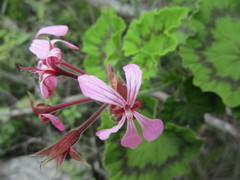
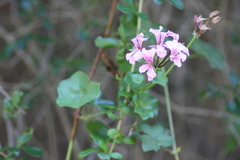
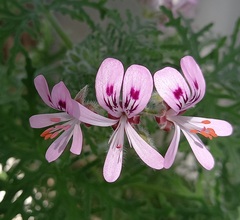
Pelargonium × hybridum represents a diverse group of cultivated plants commonly known as Pelargonium Hybrids. These plants are not found in a specific native distribution as they are the result of intentional hybridization, primarily involving species within the Pelargonium genus. Their significance lies in their widespread popularity as ornamental plants, gracing gardens, patios, and indoor spaces worldwide with their vibrant colors and varied forms. The physical characteristics of Pelargonium × hybridum are highly variable due to their hybrid origin. They typically present as herbaceous perennials or subshrubs, with growth habits ranging from upright and bushy to trailing or cascading. Mature plants can vary considerably in size, from compact specimens a few inches tall to larger, more sprawling individuals. The leaves are a prominent feature, often aromatic when bruised, and can be simple or lobed, with margins that are entire, toothed, or crenate. Leaf shapes are diverse, including round, heart-shaped, or fan-shaped, and their coloration can range from solid green to variegated patterns with shades of white, cream, or red. The flowers are arguably the most celebrated aspect of Pelargonium × hybridum, blooming profusely throughout much of the year in suitable climates. They are typically borne in umbel-like clusters and exhibit a wide spectrum of colors, including shades of red, pink, white, orange, purple, and bi-colors. Flower forms also vary, from simple, single-petaled blooms to complex, double-petaled varieties. Fruits, when produced, are typically a schizocarp, splitting into several segments, each containing a single seed. Cultivation requirements for Pelargonium × hybridum are generally straightforward, making them accessible to a broad range of gardeners. They thrive in well-drained soil and prefer full sun to partial shade, though excessive heat can sometimes lead to reduced flowering. Adequate watering is essential, allowing the soil to dry slightly between waterings to prevent root rot. They are sensitive to frost and are often grown as annuals in colder climates or overwintered indoors. Propagation is commonly achieved through stem cuttings, which root readily. The ornamental importance of Pelargonium × hybridum is immense. They are extensively used in landscape plantings, container gardens, hanging baskets, and as bedding plants. Their long blooming season and diverse aesthetic appeal make them a staple in horticultural displays. Beyond their visual contributions, some Pelargonium species, from which these hybrids are derived, have historical uses in traditional medicine and perfumery, though specific documented uses for the hybrid group itself are less common and require careful scientific verification. An interesting characteristic of many Pelargonium × hybridum is the aromatic nature of their leaves. The scent profiles can vary widely, with some emitting a sweet, floral fragrance, while others produce more pungent, herbaceous, or even fruity aromas. This aromatic quality is due to the presence of essential oils within specialized glands on the leaf surface, a fascinating adaptation that can serve various ecological purposes in their wild ancestors, such as deterring herbivores.

Photograph © David Marchan

Pelargonium Hybridum Care Summary

At-a-glance light, water, soil, and growing conditions from plant data

Light

Full sun to partial shade

75% intensity

Prefers at least 6 hours of direct sunlight daily for best flowering.

Watering

Allow soil to dry between waterings

50% intensity

Avoid waterlogged conditions; ensure excellent drainage.

Soil

Well-draining, loamy

50% intensity

Temperature

Warm temperatures

75% intensity

Ideal range is 15-25°C; protect from frost.

Habitat

Outdoor, Indoor

50% intensity

Fertilizing

Regular feeding during growing season

75% intensity

Use a balanced liquid fertilizer every 2-4 weeks.

Pelargonium Hybridum Toxicity

Safety information from plant toxicity data

Toxicity details for Pelargonium Hybridum
AttributeValue
Toxic for humansYes

2/5 intensity

Toxic for petsYes

4/5 intensity

EdibleNo

Contains essential oils (like geraniol, citronellol, and linallool) that can cause gastrointestinal upset, vomiting, and dermatitis in pets and humans. Some sources list it as mildly toxic.

Pelargonium Hybridum Quick Facts

Key traits and growing stats from plant data

Plant Type
Shrub
Plant Category
Ornamental
Plant Place Type
Pot, Garden
Plant Environment
Outdoor, Indoor
Lifespan
Perennial
Plant Height
0.3-1.5 m
Spread
0.3-1.0 m
Growth Rate
Moderate
Dormancy
None
Leaf Color
Green, Variegated
Leaf Type
Lobed
Flower Size
3-5 cm
Optimal Sunlight Lux
60000

Care guide for Pelargonium Hybridum

Watering, pruning, propagation, and repotting details from plant data

Water

Water thoroughly when the top 2-3 cm of soil feels dry. Avoid overwatering, as this can lead to root rot. Ensure good drainage. Reduce watering in cooler months when growth slows down.

Pruning

Prune to maintain shape and encourage bushier growth. Pinch back young stems and remove spent flowers regularly. Harder pruning can be done in late winter or early spring to rejuvenate older plants.

Propagation

Propagate from stem cuttings taken in spring or summer. Cuttings should be about 10-15 cm long, with lower leaves removed. Plant in a well-draining potting mix and keep moist until roots form.

Repotting

Repot every 1-2 years, or when the plant becomes root-bound. Choose a pot one size larger than the current one. Use a well-draining potting mix, typically a blend of potting soil and perlite.

Identify plants like this with ePlant

Snap a photo to get care tips and match similar species on the go.

Try for Free

Flowering & Fruiting Cycles

Monthly activity intensity for bloom and fruit across both hemispheres.

Northern hemisphere

Flowering & fruiting calendar

Peak bloom · JunPeak fruit · Jul
FloweringFruiting
02468JanFebMarAprMayJunJulAugSepOctNovDecActivity intensityMonths9944
Southern hemisphere

Flowering & fruiting calendar

Peak bloom · JanPeak fruit · Jan
FloweringFruiting
02468JanFebMarAprMayJunJulAugSepOctNovDecActivity intensityMonths994

Pelargonium Hybridum Names & Synonyms

Common names and botanical synonyms

Common Names

  • Garden Geranium
  • Garden Pelargonium
  • Hybrid Geranium
  • Hybrid Pelargonium

Synonyms

  • Ciconium × coccineum Hoffmanns.
  • Ciconium × hybridum (L.) Sweet
  • Ciconium × oxyphyllum Sweet
  • Geranium × crenatum Andrews
  • Geranium × hybridum L.
  • Geranium × miniatum Andrews
  • Hoarea × coccinea Sweet
  • Pelargonium × coccineum Ehrh.
  • Pelargonium × hortorum L.H.Bailey
  • Pelargonium × rienzii Cannell ex T.Moore
  • Pelargonium × roseum Ehrh.

Pelargonium Hybridum Taxonomy

Botanical classification

Taxonomic classification of Pelargonium Hybridum
RankName
kingdomPlantae
divisionTracheophyta
classMagnoliopsida
orderMalvales
familyMalvaceae
genusMalva
speciesPelargonium capitatum

Similar Plants

6 related species from the encyclopedia

Pelargonium Hybridum FAQs

Answers based on plant encyclopedia data
How much sunlight does Pelargonium Hybridum need?

Pelargonium Hybridum generally thrives in full sun to partial shade. For best flowering, aim for at least 6 hours of direct sunlight per day.

What type of soil is best for Pelargonium Hybridum?

Well-draining soil is crucial. A good potting mix for containers or a well-amended garden soil with good drainage will prevent root rot.

How often should I water Pelargonium Hybridum?

Water thoroughly when the top inch of soil feels dry. Avoid overwatering, as this can lead to root diseases. Reduce watering in cooler months.

When is the best time to fertilize Pelargonium Hybridum?

Feed regularly during the growing season (spring through summer) with a balanced, water-soluble fertilizer, typically every 2-4 weeks.

How do I encourage more blooms on my Pelargonium Hybridum?

Deadhead spent flowers regularly by pinching them off at the stem. This prevents the plant from putting energy into seed production and encourages more flowering.