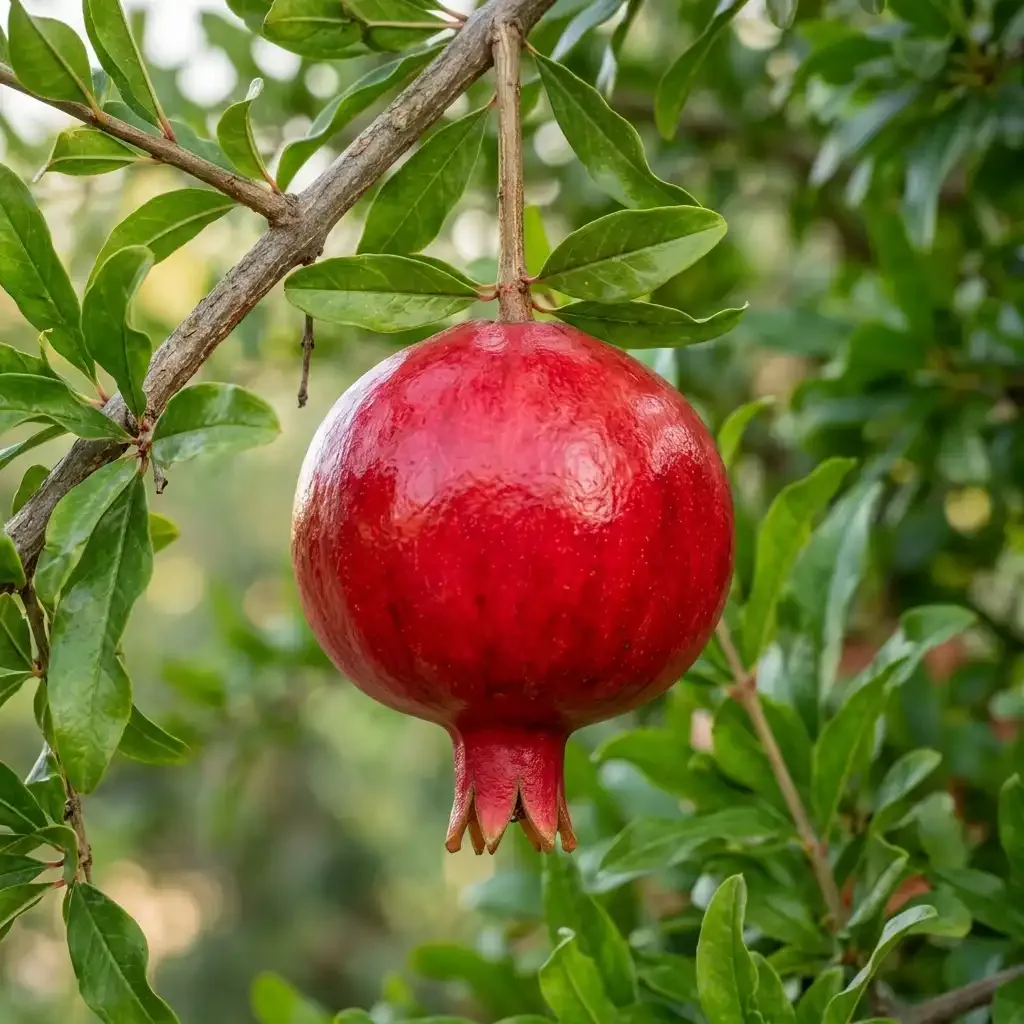
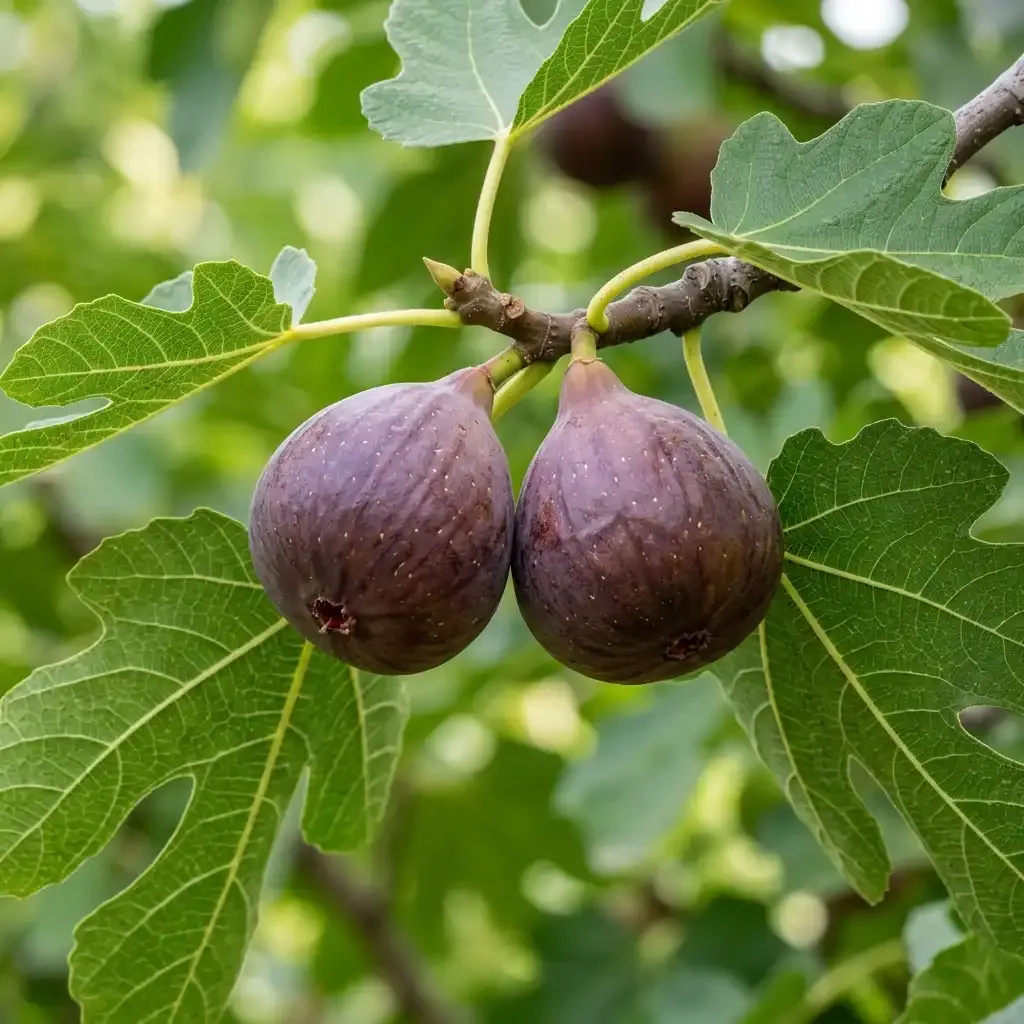
1
Upload a clear photo
Select an existing image or take a fresh photo. Keep leaves, flowers, bark or the whole plant visible and in focus.
→Upload or take a photo to identify plants online. Get likely plant matches, common and scientific names, visible identification traits and helpful plant information.
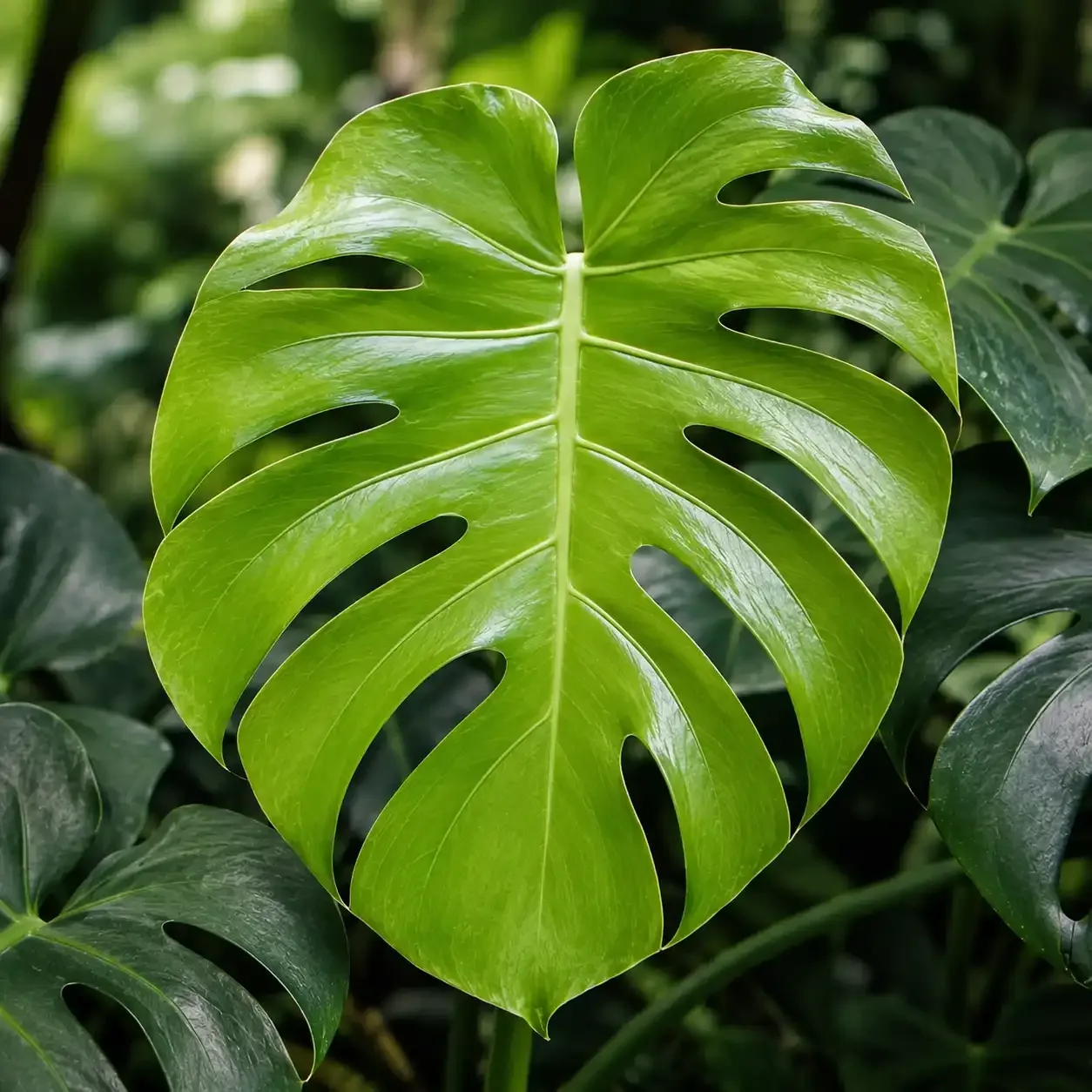
Monstera deliciosa
Explore sample plants
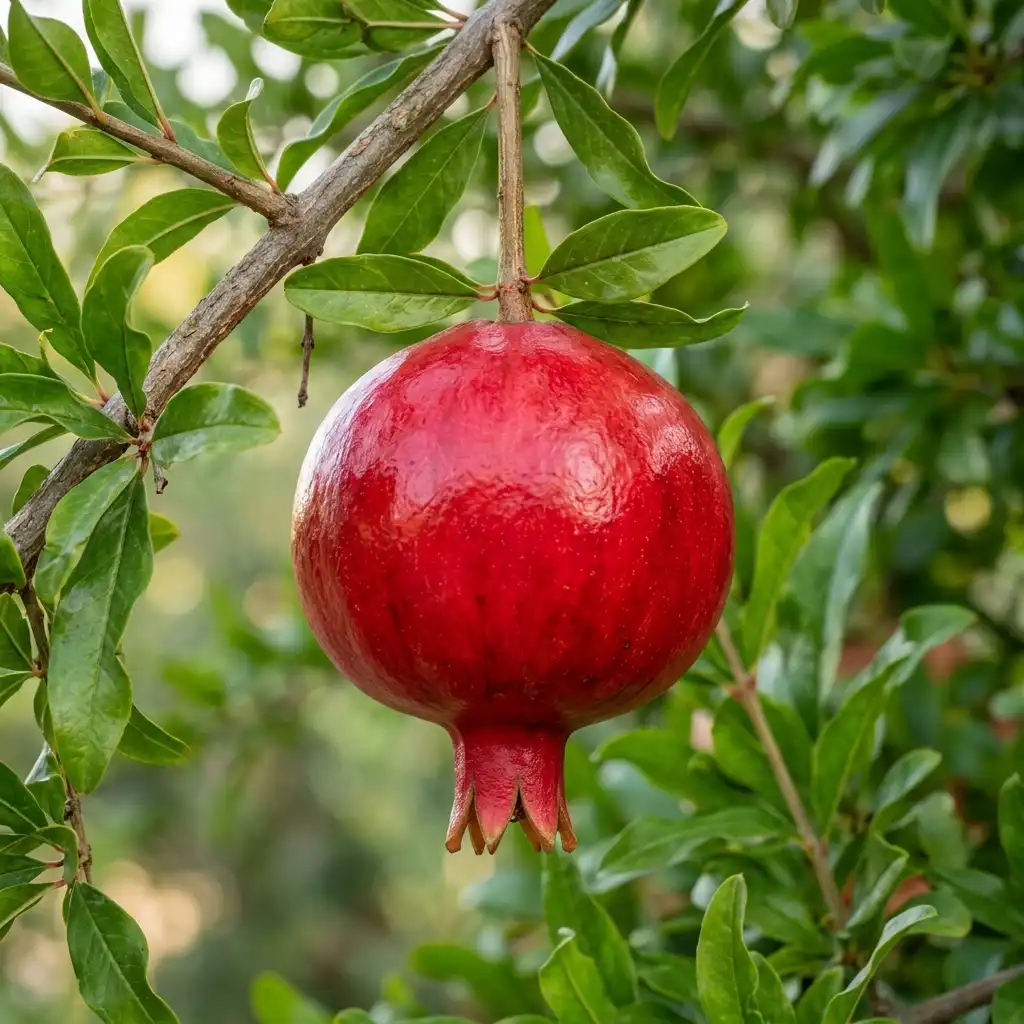
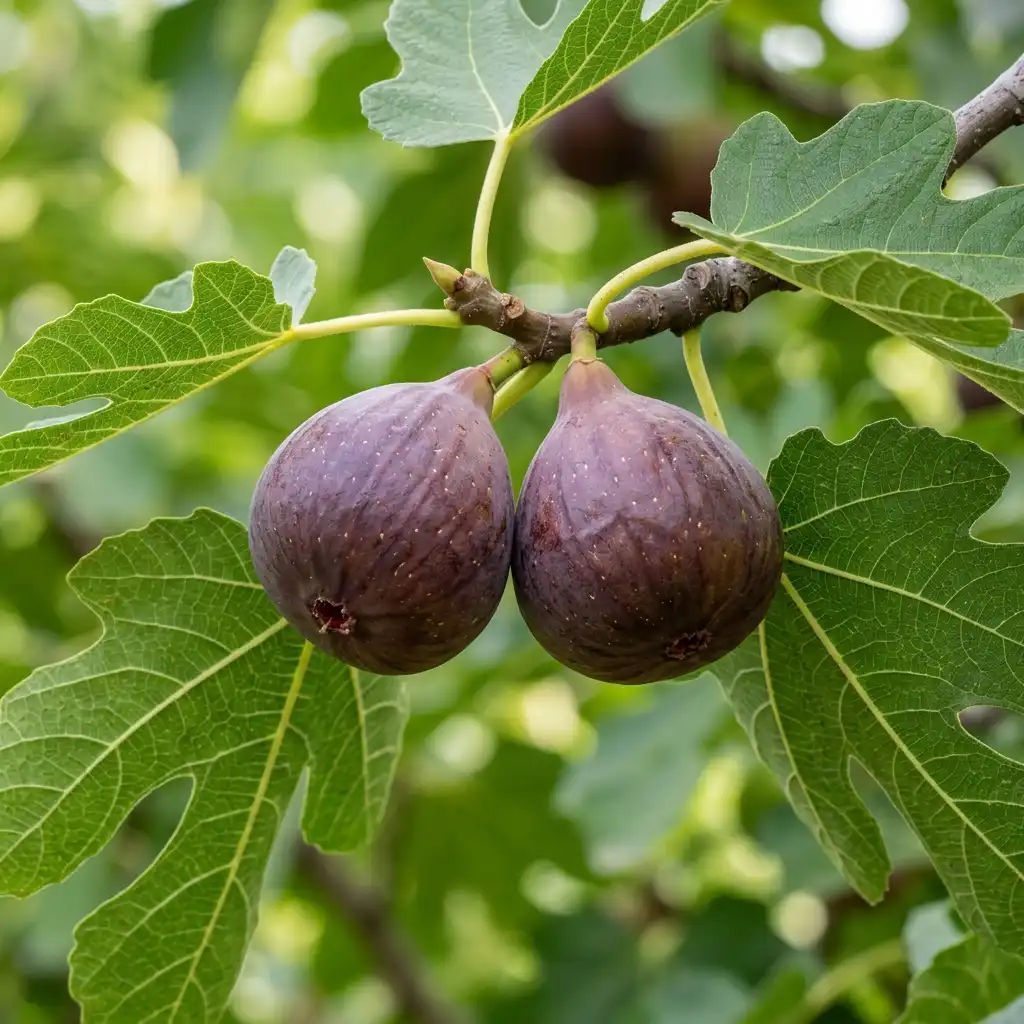
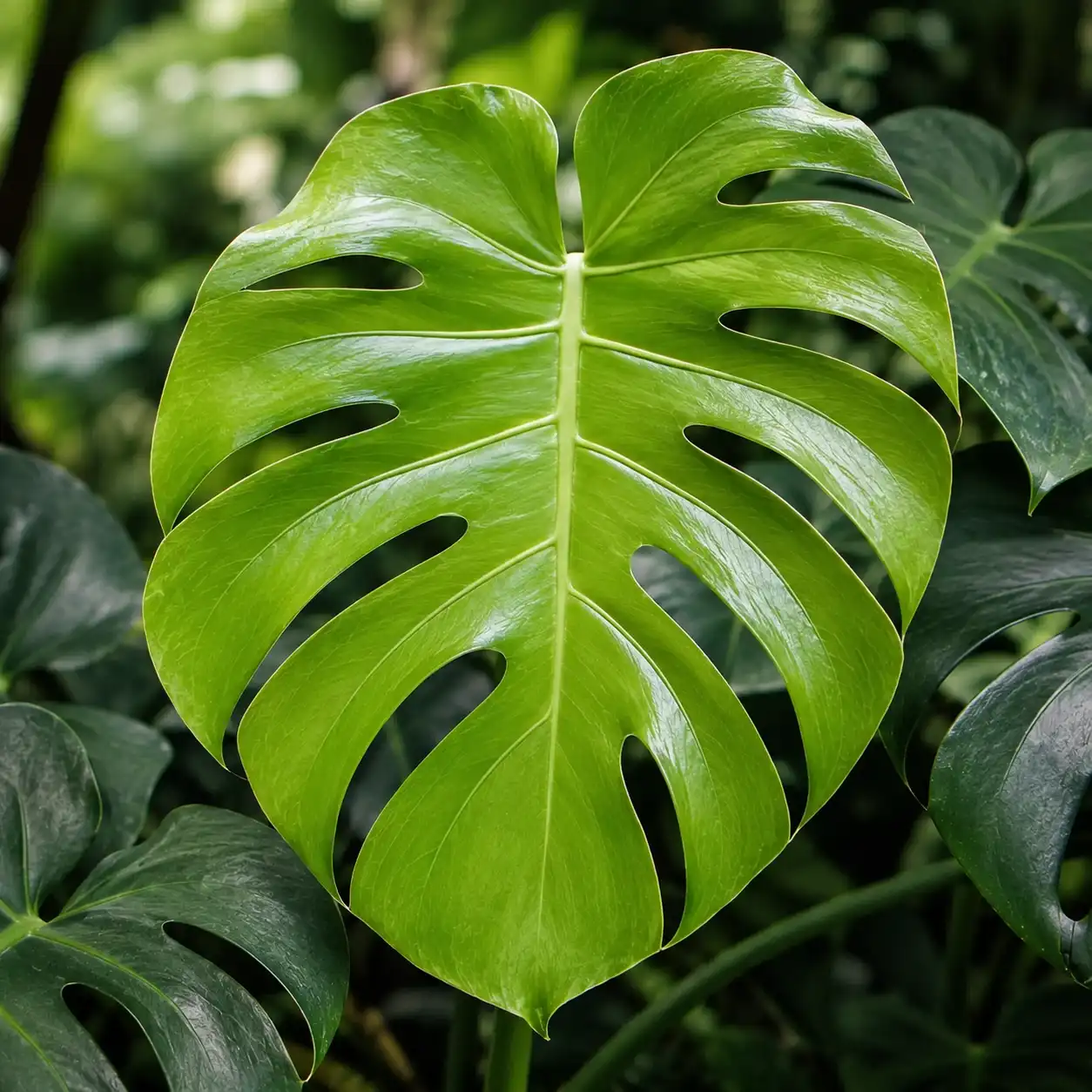
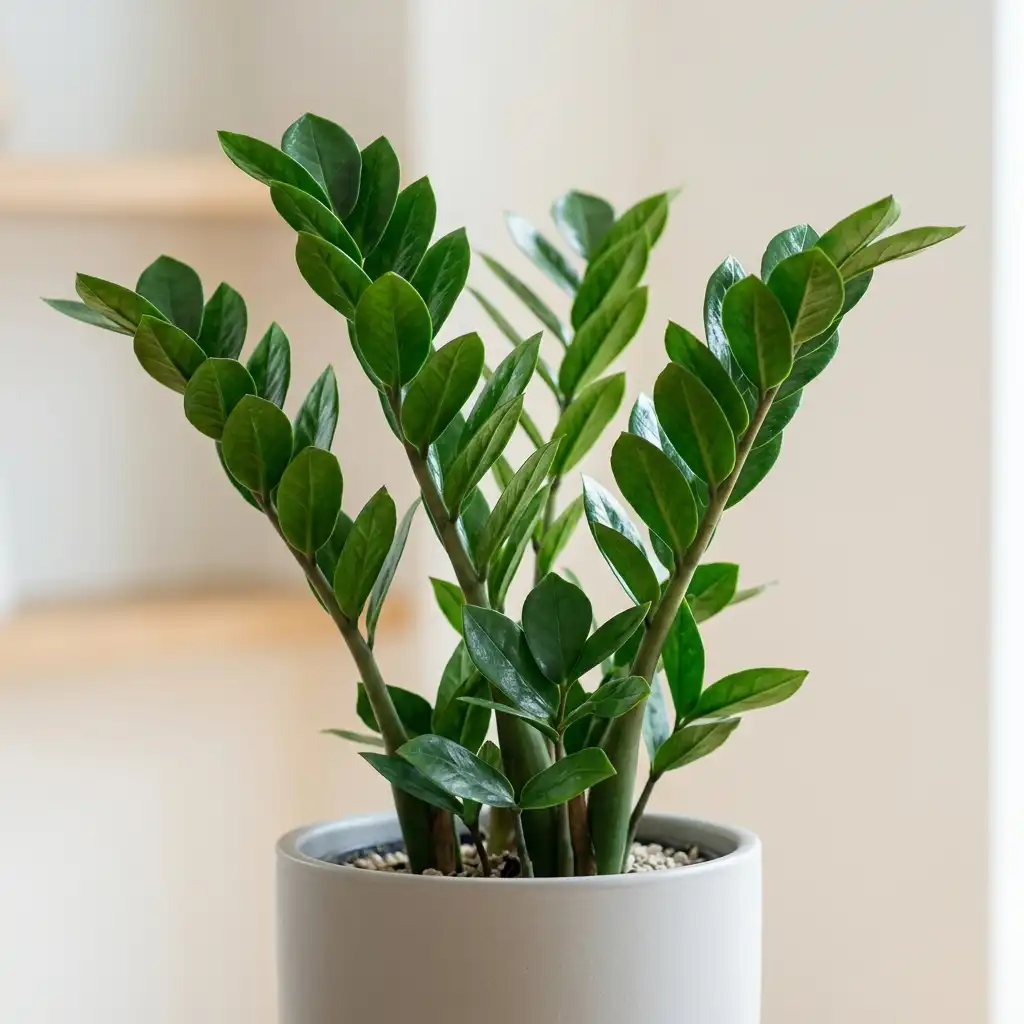
It analyzes visible plant characteristics and returns possible matches for the user to compare.
Direct answer
ePlant AI is an online plant identifier that helps you identify a plant from a photo. Upload an image of a leaf, flower, tree, houseplant, succulent, weed or garden plant and review the most likely matches.
Simple online tool
Upload a plant picture, let the AI inspect visible features, then compare likely matches.
Select an existing image or take a fresh photo. Keep leaves, flowers, bark or the whole plant visible and in focus.
→The identifier examines shape, color, texture, leaf arrangement, flowers, stems and other recognizable characteristics.
→Review common and botanical names, plant images and identifying traits before deciding which result fits best.
Useful identification output
Keep the result experience focused on identification. Care information supports the identified plant instead of competing with the main intent.
See more than an unsupported single answer and compare the plants that most closely match the photo.
Connect familiar plant names with botanical names that distinguish similar species.
Review visible features such as leaves, flowers, stems, bark and growth habit.
Continue to relevant light, watering, soil and toxicity information after identifying the likely species.
Clear leaf detail • Natural lightImprove the result
A strong image gives the identifier more visual evidence. Show distinctive features instead of only a distant or damaged part of the plant.
Avoid strong shadows, blur and heavy image filters.
Keep the subject separate from a cluttered background.
Leaves, flowers, bark, fruit and growth habit improve comparison.
Combine a close-up with a full-plant image for better context.
Broad plant coverage
Related plant-identification phrases are supported without turning each category into a competing primary topic.
Accuracy and transparency
Plant identification from a photo is probabilistic. Similar species, hybrids, low-quality images, seasonal differences and incomplete plant features can affect the result.
Encourage users to compare the suggested result with multiple physical and geographic clues.
Internal linking examples
These cards connect the tool intent to detailed plant pages with common and scientific names.
One clear search intent
This page prioritizes people who already have a plant photo but do not know its name. It gives them an immediate browser-based identification action before promoting apps or secondary features.
The upload action appears above the fold and remains the page’s main conversion.
Users review likely matches and identifying traits instead of trusting a blind answer.
Identification examples lead to detailed, crawlable species pages.
Upload the photo in your browser, inspect likely matches and open the detailed plant page.
Search and AI answer coverage
Direct, carefully qualified answers help users, traditional search engines and AI systems understand the page without unsupported claims.
Yes. Upload a clear photograph showing recognizable features such as leaves, flowers, stems, bark, fruit or overall growth pattern. ePlant AI can analyze the image and return likely plant matches for comparison.
Yes. The ePlant AI website is designed to accept plant images through a supported web browser. Mobile apps can remain available as an optional alternative rather than the page’s primary action.
Leaves can provide useful evidence when their shape, margins, veins, texture and arrangement are visible. Results may improve when the photo also includes flowers, fruit, bark or the full plant.
The identifier can analyze many plant categories, including flowers, trees, shrubs, houseplants, succulents, herbs, weeds and garden plants. Results depend on image quality and visible distinguishing features.
Accuracy varies according to the plant, image quality and visible features. Clear photos of distinctive leaves, flowers, fruit, bark and growth patterns generally provide better evidence than distant, dark or blurry images.
Compare all suggested results, not only the first. Review botanical names, leaves, flowers, stems, location and known geographic range. Ask a qualified local expert when exact identification is important.
No. ePlant AI is an identification assistance tool. Unusual species, hybrids, edible wild plants and safety-sensitive cases may require confirmation from a botanist, horticulturist or local extension service.
Upload a clear plant photo and review likely matches with common names, botanical names and useful identification traits.